Why Are So Many Museums Expanding Right Now?
A deep dive into the architectural arms race reshaping NYC’s cultural landscape...and the labor issues the press releases don't mention

So many museums are renovating and/or expanding right now.
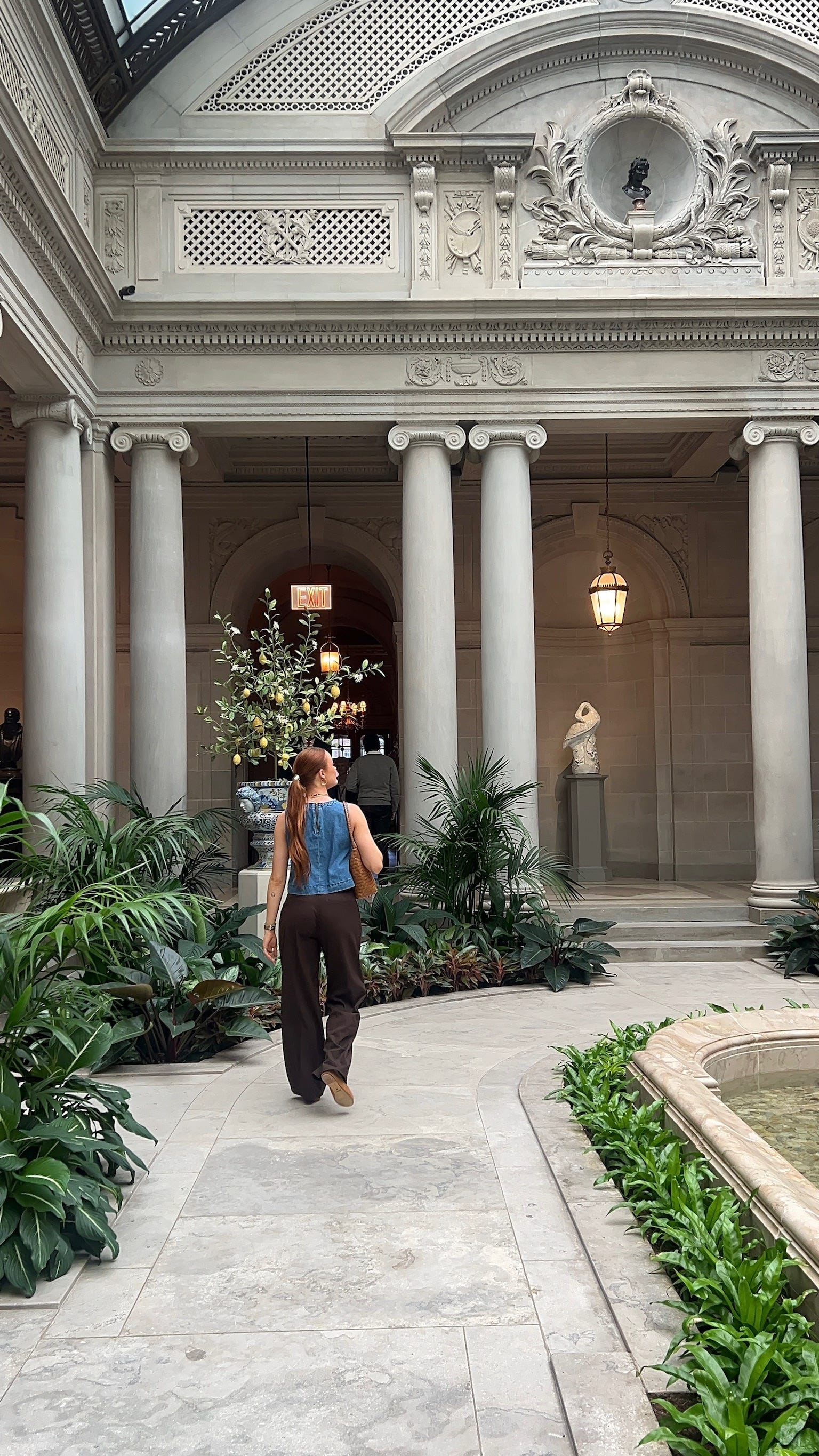
In the past year alone, The Met reopened the Rockefeller Wing and is moving forward on a huge contemporary expansion over the next 5 years. The Frick finally returned home with renovated gallery and new education spaces. The Jewish Museum unveiled an update that includes an entire floor for learning and public programs. The Studio Museum in Harlem has finally reopened its long-awaited new building. The Bronx Museum is deep into a major transformation. The American Folk Art Museum is underway on its redesign. Even the Morgan Library refreshed its garden in a way that shifted the whole feeling of the space without adding square footage. Can’t forget to mention MoMA, whose massive 2019 renovation promised more access and clarity…and in my opinion fell flat.
Why now? Why all at the same time?
Below are some real (and some rarely discussed) reasons museums are expanding, as well as my own feelings about this moment as someone who works in museum education and visits 100+ exhibitions a year.
What’s Actually Driving the Expansion Boom?
1. Collections have outgrown their buildings.
It’s not unusual for a museum to put only a fraction of its holdings on view, but the scale has become extreme. At The Met, less than 10% of the collection is on display at any time — MoMA is even lower. Collections grow constantly through acquisitions, gifts, and entire estates arriving at once. Buildings designed in the early 1900s simply weren’t built to house the hundreds of thousands of objects they now hold.
Worse, many old buildings can’t accommodate modern accessibility requirements: wider hallways, more elevators, flexible seating, sensory-friendly spaces, accessible restrooms. Retrofitting landmarked architecture is often impossible without compromising the building itself. Sometimes expansion becomes the only realistic way to prioritize equity.
2. Museums need more invisible infrastructure.
Expansions also make room for the invisible infrastructure that keep museums going: conservation labs, climate-controlled storage, rotation space, and long-term stewardship…all things that are nearly impossible to squeeze into existing architecture, especially in Manhattan where storage of any kind is basically a fantasy.
At the same time, the way people use museums has changed. Today’s visitors want places to sit, gather, learn, and relax. Museums like the New-York Historical Society, AMNH, the Jewish Museum, and The Frick have expanded their multipurpose rooms, classrooms, and hubs for public programs. Museums aren’t just repositories anymore… they’re becoming cultural living rooms!
3. Architecture has become branding.
I kind of love this part:
A Renzo Piano for the Whitney.
A Jeanne Gang expansion at AMNH.
A David Adjaye building for the Studio Museum.
Before the art even goes up, these projects reshape a museum’s identity and spark public interest. Architecture becomes a marketing tool and a chance to reintroduce the institution with a shiny new mission statement.
4. And the uncomfortable truth: buildings are easier to fund than people.
Donors love capital projects. They love wings with their names on them and creating a legacy. They do not love paying salaries, especially not every year, forever.
This is a key distinction: Capital gifts are often legally restricted to construction. Even if a museum wanted to use that $300 million for staff wages, they couldn’t. It’s a structural reality of nonprofit funding, not just a matter of poor priorities.However, the imbalance still shapes how museums operate and it’s one reason new buildings rise while education, visitor services, and frontline staff continue to be stretched thin.
This is where my feelings get complicated.
The Double-Edged Sword: What We Gain vs. What We Lose
As someone working in museum education, I often find myself asking:
What if some of these millions went toward paying staff equitably?
What if we prioritized repairing what we have instead of building new?
What would museums look like if people, not just buildings, were funded at the highest level?
It’s complicated to stand inside a gleaming new wing knowing the people who bring that space to life aren’t always supported. I remain cautious of expansions that outpace the care and support of the people who animate these spaces. However (and this is the part that surprises me every time) I still walk into these reopened spaces and feel excited and hopeful.
The Met’s Rockefeller Wing now has richer storytelling and more intentional framing.
The Jewish Museum’s new education center feels genuinely usable, not just pretty.
The Studio Museum’s reopening marks a powerful new chapter for Harlem, Black art, and the city itself…These things matter!
Expansions sometimes feel disconnected from community needs, such as the New Museum’s planned expansion which raised eyebrows because the institution doesn’t have a collection, but does have a well-documented history of underpaying/laying off frontline and education staff when times get tough. Even “good” expansions come with trade-offs: construction disruptions, budget strain, years of galleries being closed, and sometimes a shiny new building that doesn’t actually improve visitor experience. And the costs are staggering 😬:
Frick Collection Renovation: $220 Million
Studio Museum in Harlem: $300 million
Met Rockefeller Wing: $70 million
Met Tang Wing: estimated to be $500 million
New Museum Expansion: estimated to be $82 million
AMNH Gilder Building: $465 million
Bronx Museum: $33 million
New York Historical (FKA N-YHS): $175 million
Expansions can feel like misaligned priorities, but sometimes they’re where the most meaningful change actually happens. Some of the projects I’ve seen recently do reflect values I believe in: education, community, accessibility, representation. Museums aren’t perfect institutions, but they’re evolving ones so it’s possible to celebrate progress while still questioning its cost. All these things can be true at once. I don’t want museums to just grow bigger, I want them to grow better!